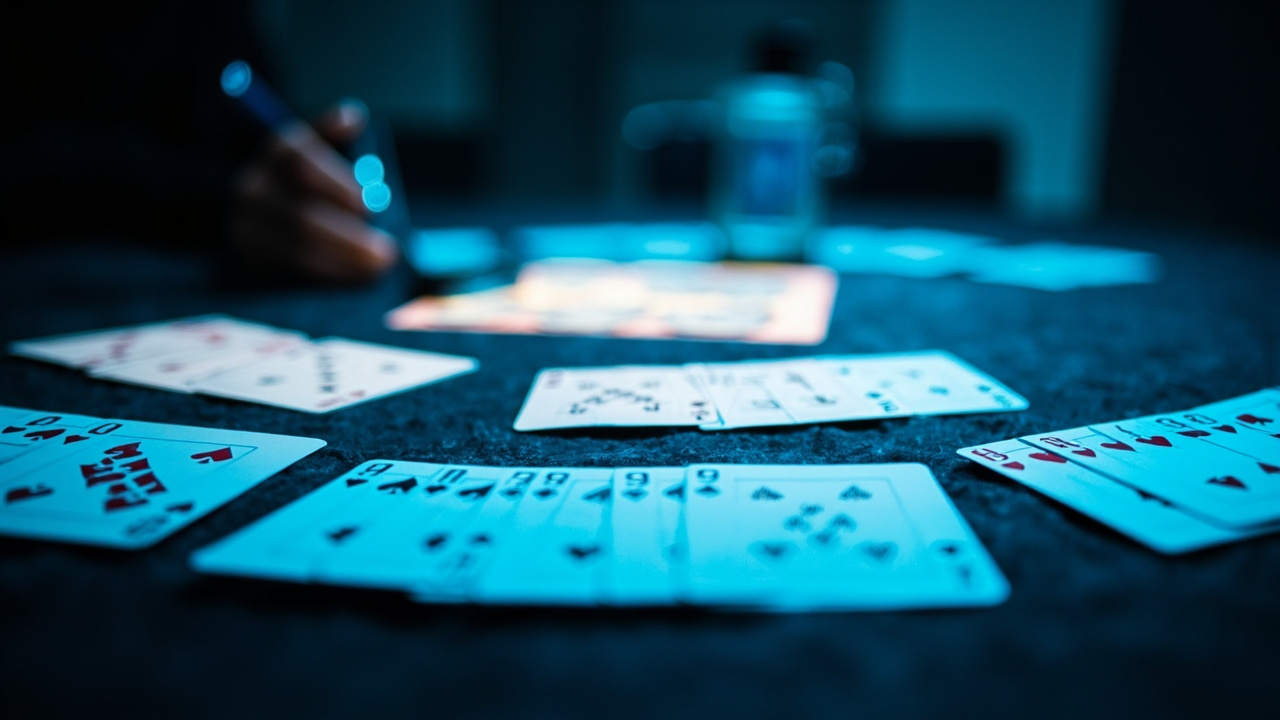
Most Aussie players chasing their next win on the Gold Coast reckon the best seat is wherever the action feels hottest, but seasoned players know the button dictates the whole rhythm of the table. When you treat position as the core of your poker button strategy, every decision before the flop and after it starts to feel less like guesswork and more like a controlled workflow. It is not about chasing every hand just because the cards are hot; it is about reading the street, trimming the noise, and letting the seat do the heavy lifting. If you want a practical lens on how that plays out across real tables and software, the breakdown at https://bloggingunearthed.com/ walks through the same position-first mindset without the usual hype.
Why the Button Changes the Whole Hand
The button is the only spot on the table where you get to act last on every post-flop street, and that single advantage rewires how you should think about starting hands. When you are on the button, you can see exactly how the blinds and earlier positions react before you commit any chips, which means you can fold marginal hands without regret and raise thinner ranges with genuine confidence. A lot of recreational players treat the button as just another seat to fire into pots, but the real edge comes from tightening up early, then expanding your aggression once you know who is folding and who is chasing. That shift in thinking matters because it stops you from forcing action into spots where the math simply does not support it. It also lines up nicely with how modern table software presents the action, where the visual hierarchy keeps the active seat front and centre so you are not squinting at a crowded screen just to track who acted. Think of it like watching a well-paced show on the Gold Coast in the late arvo, where the lighting and sequencing keep you locked into the moment rather than fighting the setup.
Reading the Table Before You Press the Button
A solid poker button strategy is never just about the cards in your hand; it is about reading the players around you and adjusting your ranges based on how they actually behave. If the player to your left is a loose caller who never folds, you can keep your button raises disciplined and avoid bloating the pot with second-best hands. If the blinds are folding too often, you can steal more lightly and keep your stack working instead of waiting for premium cards that may never arrive. The key is to treat the button as a filter, not a trigger, so every raise has a clear reason attached to it rather than a vague feeling that the seat is hot. That kind of disciplined reading is what separates a structured session from a messy one, and it is the same kind of attention to detail you see when a design team locks down a player-facing screen before anything goes live. Steve Wynn transformed Las Vegas with luxury resorts like the Mirage, Bellagio and Wynn, and the same principle applies here: the experience only feels polished when every element is placed with intent, not when you throw features at the table and hope something sticks.
How to Play the Button Through the Streets
Once you are actually on the button, the real work starts street by street, and that is where most players drift away from the plan. On the flop, you already know who checked and who bet, so you can decide whether to continue, probe, or shut it down without guessing what the earlier positions might have done. On the turn, that information compounds, and you can size your bets to put maximum pressure on weaker holdings while keeping your own exposure under control. By the river, the button gives you the clearest read of who is still in the hand and who is likely drawing dead, which means you can value bet thinner and bluff more selectively instead of spraying chips into every pot. The process itself is straightforward once you break it into a repeatable sequence:
- Start by narrowing your button range based on who has already acted and how they played their previous streets.
- Use the flop to test the strength of the field, betting when the board texture favours your range and checking when you want to keep the pot manageable.
- On the turn, reassess the action and decide whether to build the pot with a strong hand or keep your options open with a draw that still has legs.
- On the river, choose between value and bluff based on the exact players left to act, not on a vague sense that the seat is giving you an edge.
That sequence keeps your poker button strategy grounded in actual information instead of momentum, which is exactly how a clean creative workflow should run: each step feeds the next, and nothing gets forced just because the screen looks busy.
Mobile Play and Position Discipline on the Go
When you take the same position-first approach to a phone or tablet, the discipline matters even more because the screen is smaller and the action can feel faster than it really is. A well-built mobile table keeps the button visible, the betting controls predictable, and the hand history easy to scan so you are not losing track of who acted when you are trying to make a quick decision between errands or a quiet session after work. Responsiveness is not just about the layout fitting the screen; it is about the whole flow feeling natural when you are tapping raises, folding marginal hands, and reading the table without constantly zooming or hunting for controls. Performance matters too, because a laggy interface turns a measured button strategy into a rushed one, and that is where costly leaks creep in. If you want to compare how that same position discipline translates to a different format, the roundup on no download casino video poker at https://booom.kz/blog/no-download-casino-video-poker.html shows how a clean, browser-first setup can keep the focus on the game rather than on downloads or messy menus. The same thinking applies to your poker button strategy: the tool should disappear into the background so your reads and ranges stay front and centre.
The Verdict on Button-First Play
If you are serious about treating the button as more than just a lucky seat, the payoff is a tighter, more readable game that scales across desktop and mobile without falling apart when the table gets busy. The best players on the Gold Coast and beyond already know that position is the quiet engine behind most profitable sessions, and the rest of the strategy simply follows from there. You do not need a perfect hand to make the button work; you need a clear plan for how you act last, how you read the players around you, and how you keep your ranges disciplined street by street. For anyone willing to put in that kind of structured attention, poker button strategy is a practical edge that compounds over time, not a money-train-4-au.com quick fix and not a guarantee of any single win.